


les Rénovateurs De Flow
Presentation
RDF was born in 2003. Originally, it was a French collective created between the 77 and 93 areas (France), bringing together both rappers and graffiti artists.
The name RDF had a double meaning:
Les Rénovateurs De Flow represented the rap section of the collective, while Les Ravaleurs De Façades represented its graffiti section.
Some members took part in both sides of the group, while others remained more in the background, but each of them helped build the collective’s identity. Above all, RDF was a youth adventure, driven by the desire to create, rap, make an impact on its time, and leave a mark, even with very limited means.
At its peak, around 2004–2005, RDF had nine members:
Péotéka, Ayor, Aléar, M.A.S.T., Sick, Féros, Bélou, Ket-Pla, and Scree.
On the Rénovateurs De Flow side, the first MCs were Péotéka, Ayor, Aléar, and M.A.S.T. They are the ones featured on the first tracks recorded at the time. M.A.S.T. later stepped away from the musical side of the group, but remains present on the project’s earliest songs.
On the Ravaleurs De Façades side, the collective’s energy was expressed through graffiti, tags, and urban visual expression. This part of RDF also belonged fully to the spirit of the group: raw, instinctive, sometimes chaotic, but deeply creative.
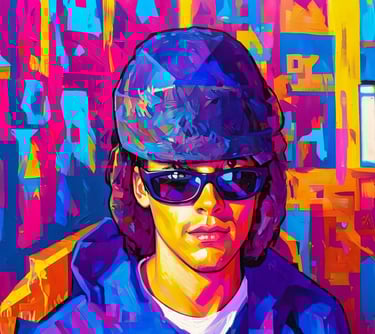
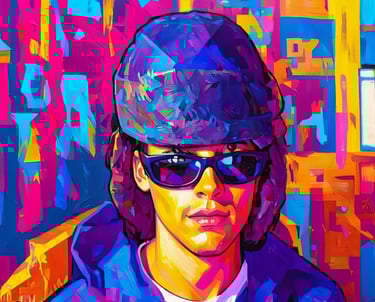
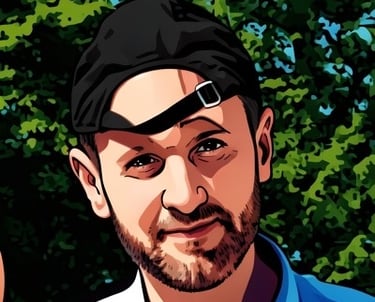
Péotéka


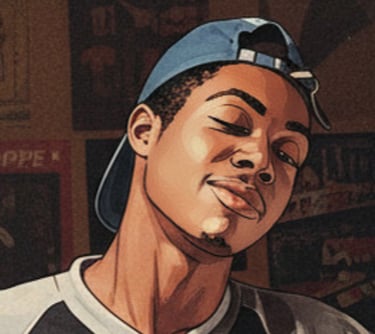
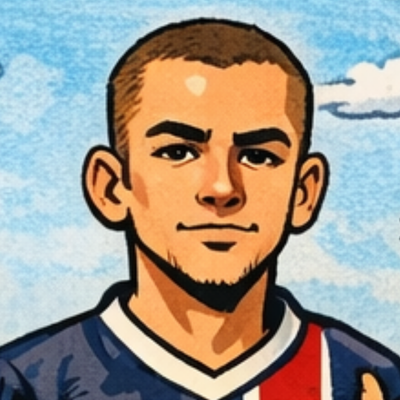
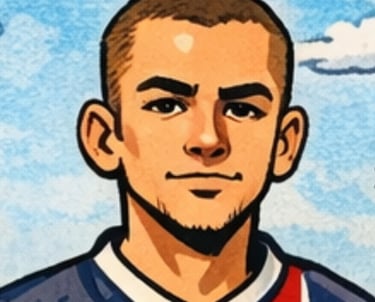

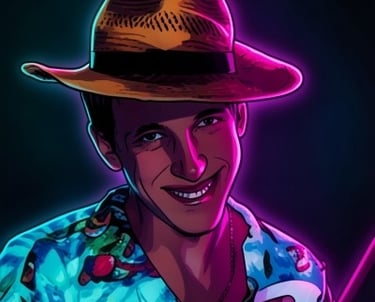
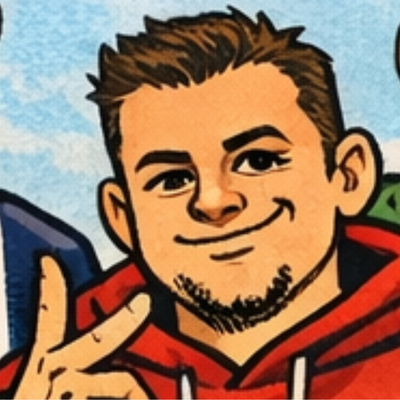

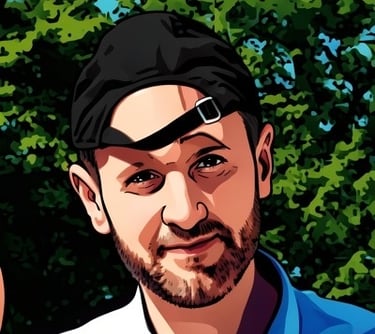
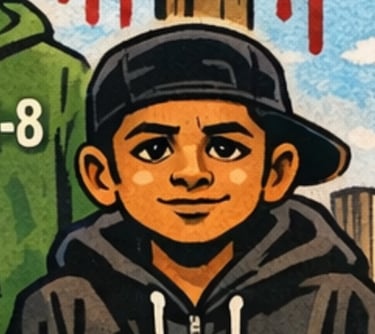
Ayor
Sick
Aléar
M.A.S.T.
Féros
Bélou
Ket-pla
The Musical Beginnings
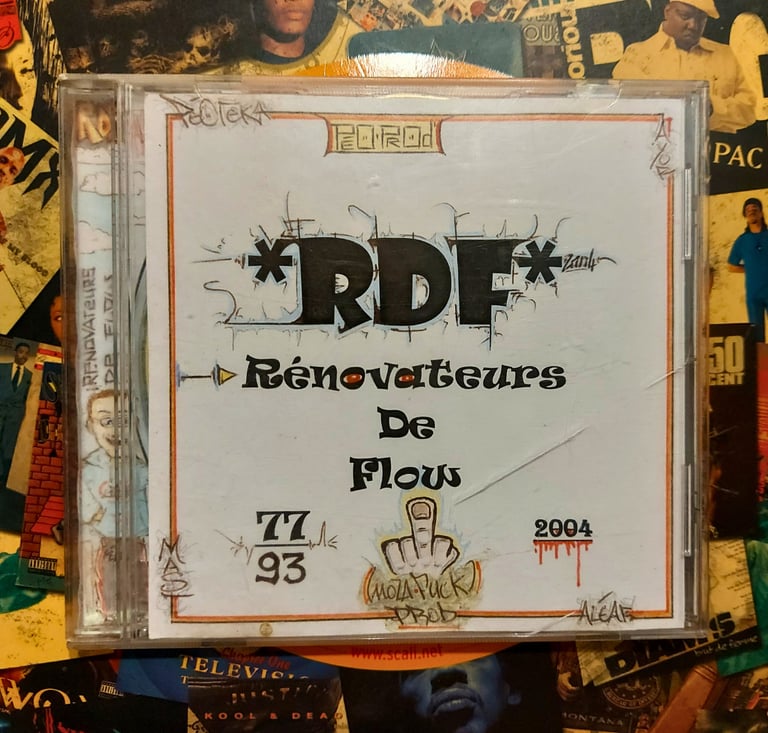
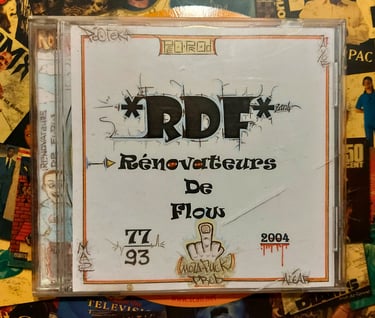
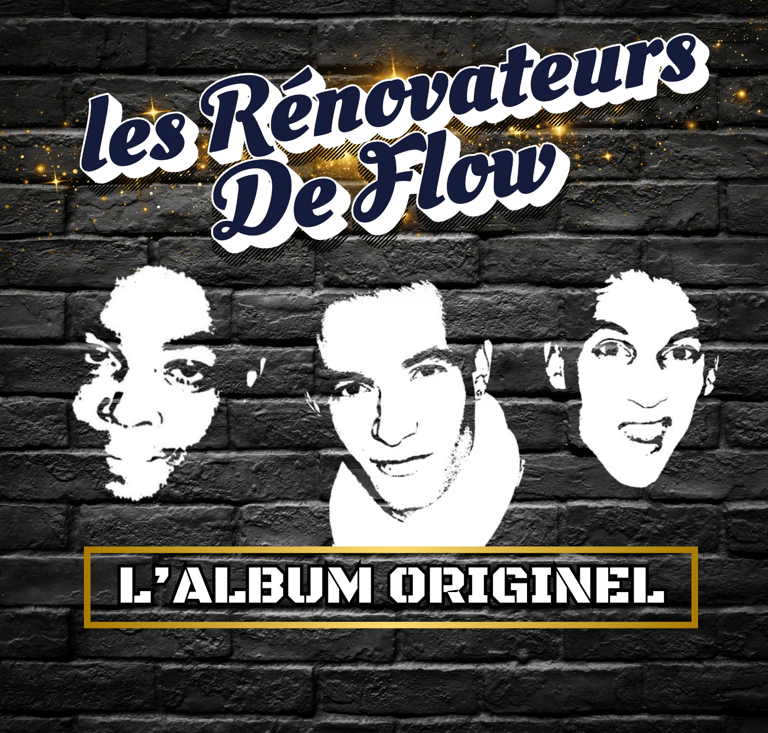
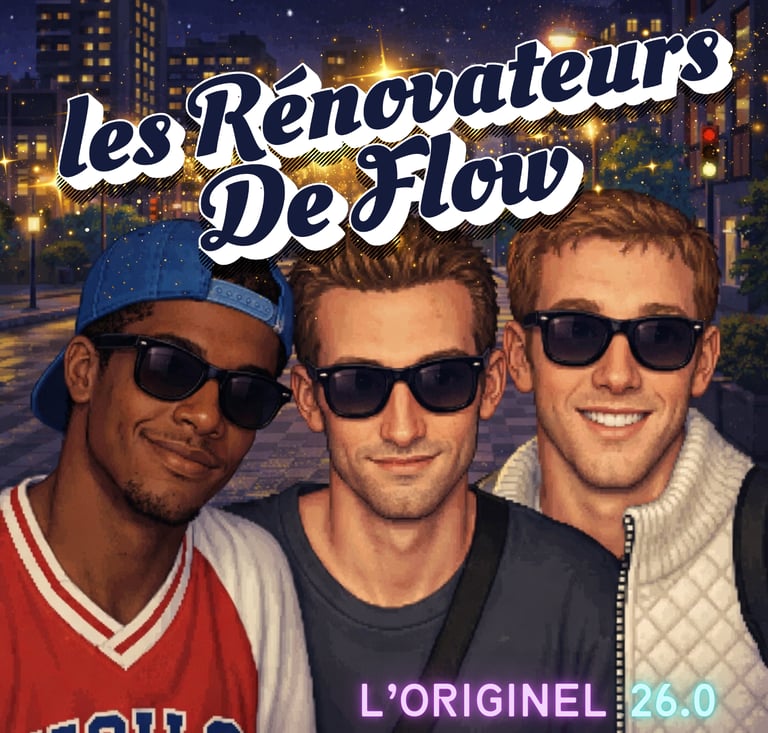
In 2004, a first project was recorded. Looking back, it was more of an EP or a first handmade CD than a true professional album, but today it represents RDF’s original album.
This project included eight tracks. It was recorded with whatever was available: a hi-fi system, a basic microphone, a CD burner, and a lot of resourcefulness. The instrumentals were created by members of the crew using Hip Hop eJay, an accessible music-making software at the time.
No one truly knew how to handle recording, mixing, or music production. There were no backing vocals, no ad-libs, no vocal doubles, and no professional structure. The tracks were recorded in a raw, direct, improvised way - sometimes clumsy, but sincere. They captured an authentic energy: that of young rappers who simply wanted to lay down their lyrics and create something together.
This first CD was never officially distributed. In reality, it barely circulated at all. Only one copy had been burned at the time, kept by Péo, who was probably the most invested in the project and in the idea of preserving a concrete trace of that period.
That unique CD, now scratched and fragile, became the only source that made it possible to recover the first eight tracks. If the audio extraction had not worked, these songs would probably have been lost forever.
The Freestyles
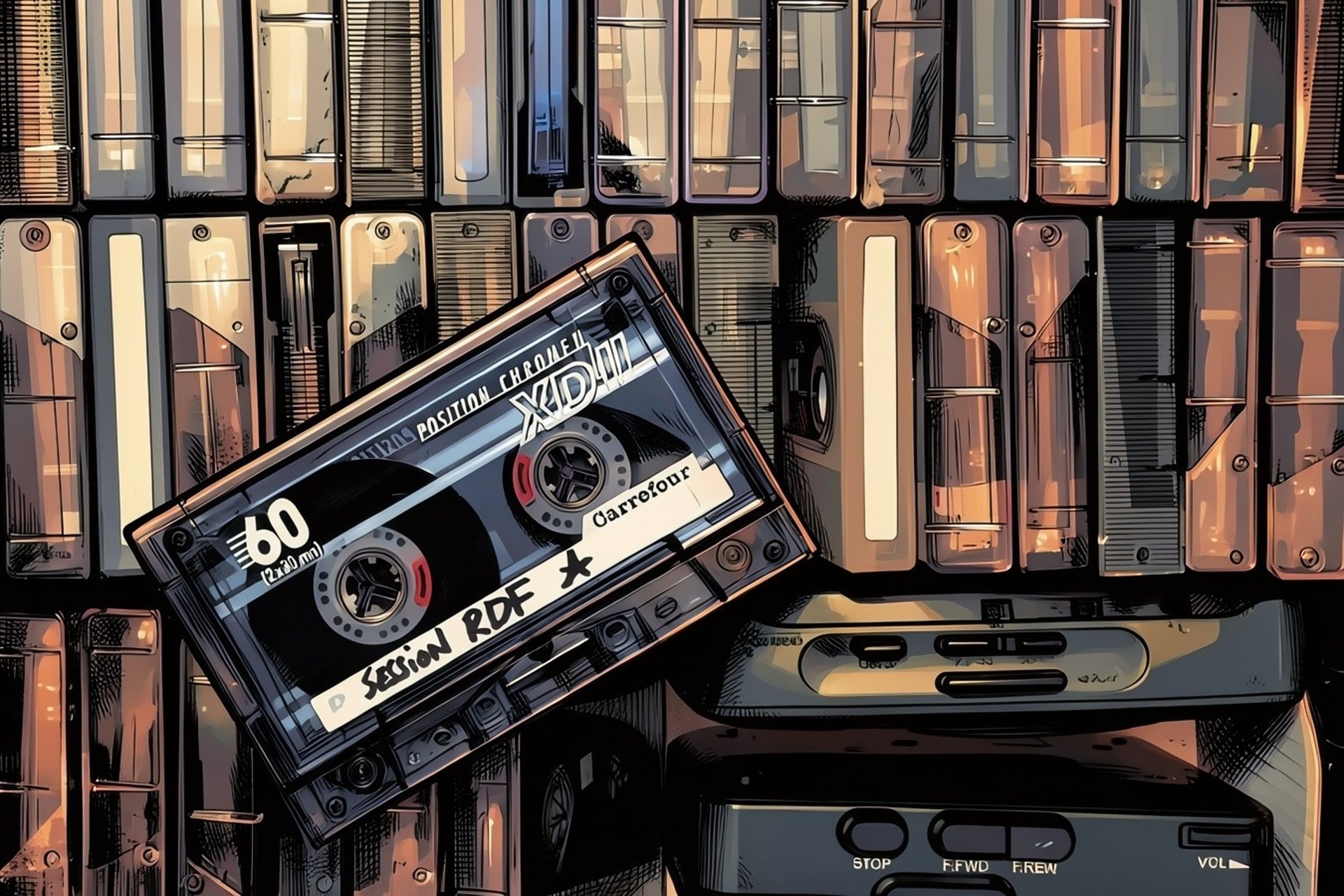
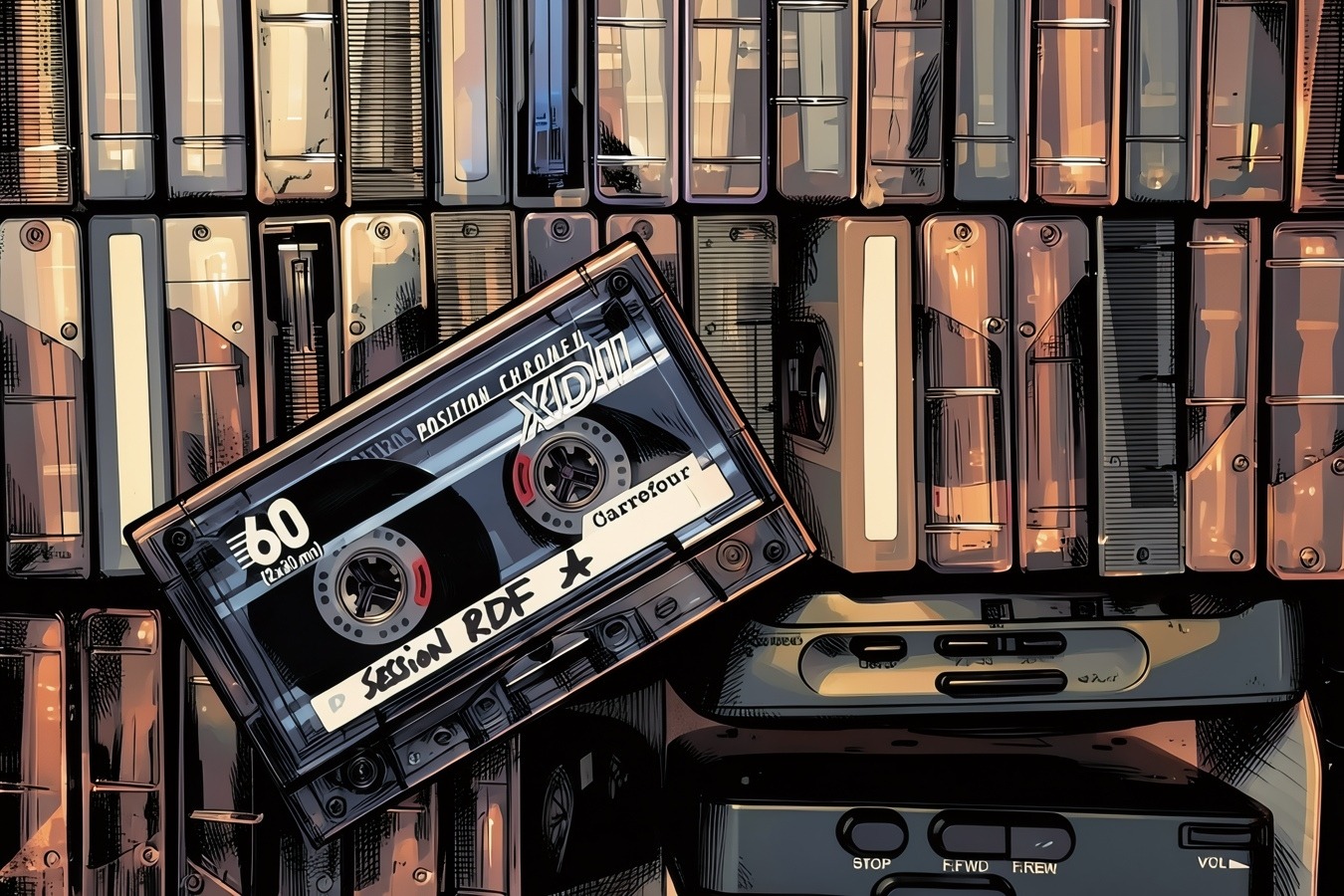
After this first project, RDF’s activity mostly continued through freestyle sessions recorded at home. At the time, we would simply say: “Come on, let’s do a session.” Péotéka would then set up the equipment with whatever was available: a hi-fi system, a microphone plugged into it, a source to play the instrumentals — often a CD or a MiniDisc — and an audio cassette to record everything.
Most of these sessions were therefore recorded on cassette tapes. A few freestyles were also preserved on MiniDisc, but most of the archives came from those audio cassettes. The principle was almost always the same: play B-sides or well-known instrumentals, then rap the lyrics that everyone knew by heart. These sessions often lasted around thirty minutes, sometimes more, and were recorded directly onto cassette tape.
RDF also had a few outside connections, but they remained exceptional. One time, a session and a more written track were recorded with Waiz Lucky from Or Norme. Another connection happened with Chek from NT. Composite, a local group from the Chelles area in the 77, also crossed paths with RDF, but in a different way: it was not a joint recording. One or two members of the group had come to listen to the tracks and give their feedback, especially on the need to emphasize rhymes more, structure the flow, and build the songs in a more professional way.
Despite the collective’s energy, RDF remained very loosely structured. There was no musical strategy, no label, no distribution, no live shows, no studio recording, and no real long-term professional project. The group existed mostly through passion, friendship, resourcefulness, and the desire to rap.
Over time, everyone went their own way. What remained were a few memories, some graffiti, the unique original CD burned in 2004, as well as sound archives preserved for years on audio cassettes and a few MiniDiscs, stored away in shoeboxes.
The Preservation of the Archives
If RDF can resurface today, it is largely because Péotéka preserved the archives over the years.
The original CD, the freestyles, the cassette tapes, the recordings, and certain traces of the collective were kept for nearly twenty years. This preservation work was not necessarily intended as a project at first. It was mostly about not losing an important part of a period in time.
Over time, these archives took on a different value. They no longer represented only songs from youth, but also the trace of a moment, a group, a collective energy, and an era when everything was done in a handmade way.
In 2026, Péotéka decided to bring these archives back out and give the project new life. The first goal was simple: to recover the content of the original CD before it was permanently lost. The disc was damaged and scratched, but after a long and difficult extraction, the eight tracks were finally recovered.
From there, the idea grew: to clean up the tracks, make them more listenable, organize them, and then integrate them into a larger project around the history of RDF.
The RDF Anthology
The first reconstruction work initially made it possible to save and reshape the eight tracks from the Original Album. Despite their raw and handmade nature, these songs were built on instrumentals created by members of RDF at the time. They could therefore be cleaned up, reworked, and prepared for digital release on streaming platforms.
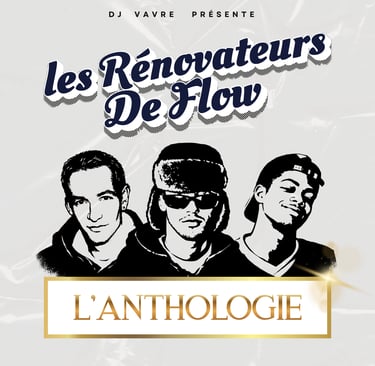
In a second phase, this archival work gave birth to The RDF Anthology. This physical project brings together the Original Album, along with several freestyle excerpts, a few features, and some bonus material taken from the collective’s archives.
The goal of this anthology was not to produce a modern or perfectly polished album, but to create a coherent trace of a period that could have disappeared. The tracks were cleaned up as much as possible to improve the listening experience, while respecting their original nature. The imperfections are part of the story: the rough recordings, raw voices, volume variations, and technical flaws all recall the conditions in which these sounds were created.
Around twenty physical copies were manually produced by Péo, mainly for members, close friends, and the memory of the project. Unlike the single CD burned in 2004, this anthology now helps preserve RDF’s history in a more lasting physical form.
However, one major limitation quickly became clear: outside of the Original Album, a large part of the freestyles, features, and bonuses relied on existing instrumentals or B-sides used at the time, as was often done in the mixtape spirit. These versions therefore could not be commercially distributed on today’s streaming platforms.
The RDF Anthology thus holds strong historical and emotional value, but it remains above all a physical archive intended for close circles, rather than a digital project meant for commercial release.
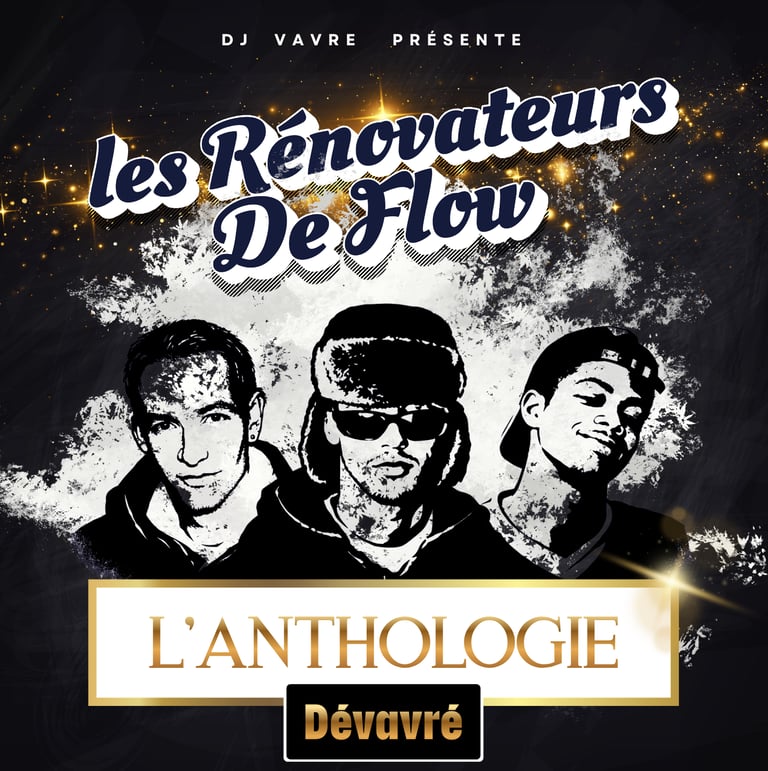
The Dévavré Anthology
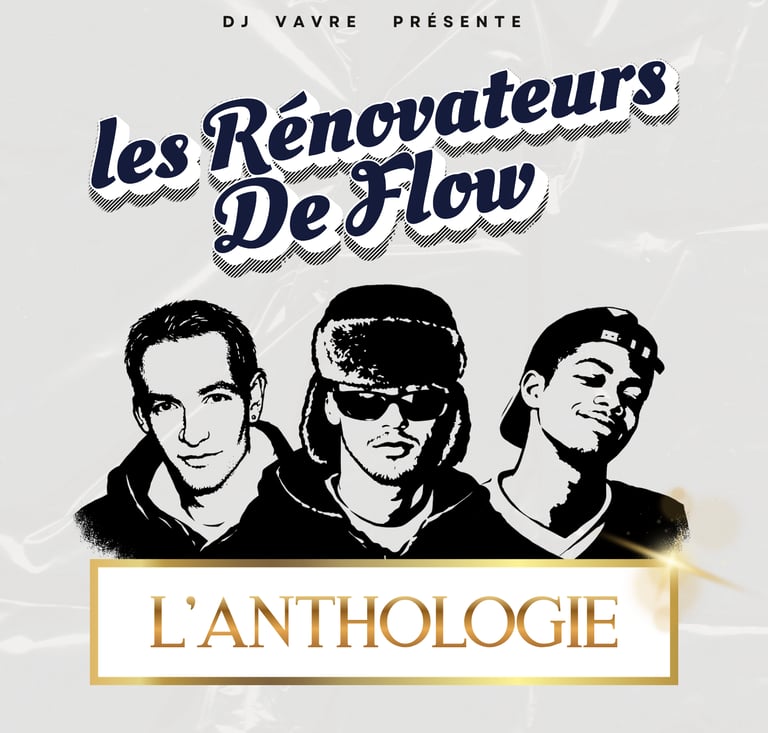
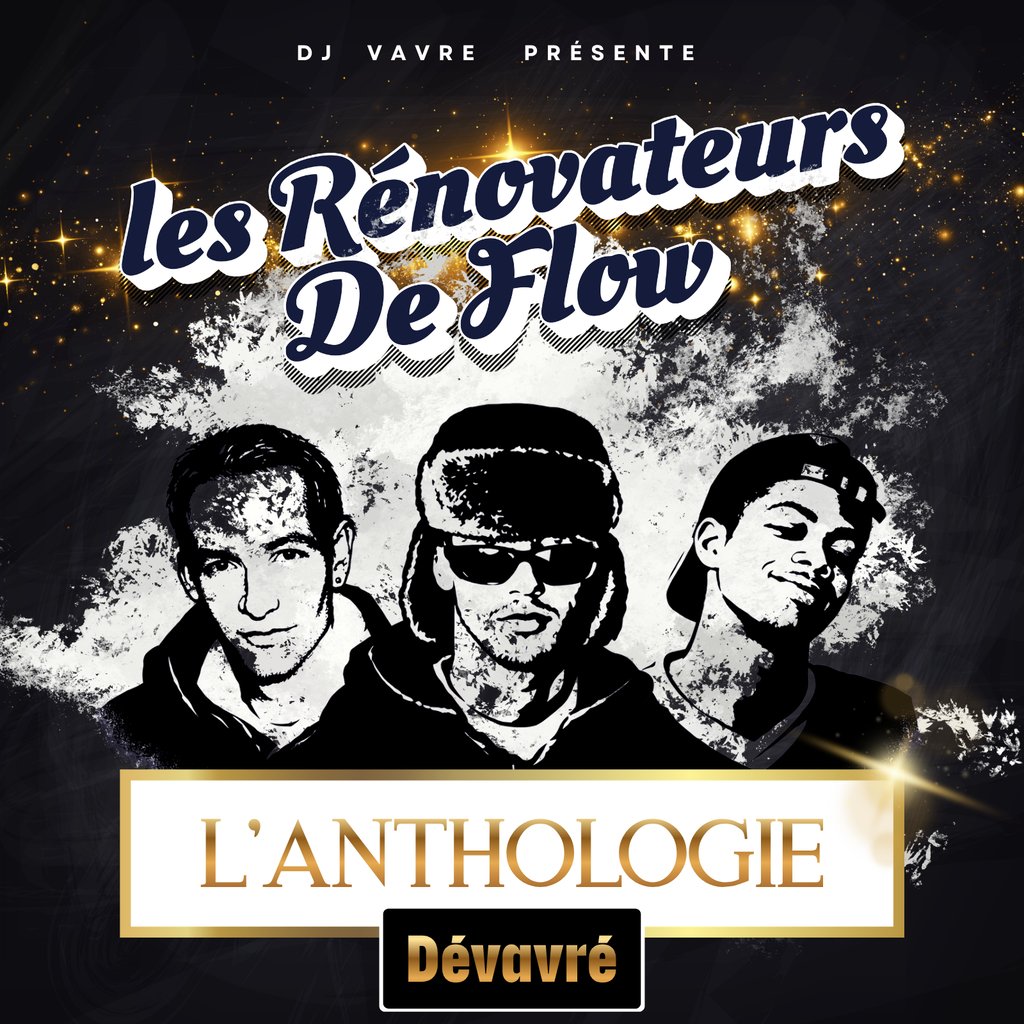
It was from this limitation that the idea of L’Anthologie Dévavré was born.
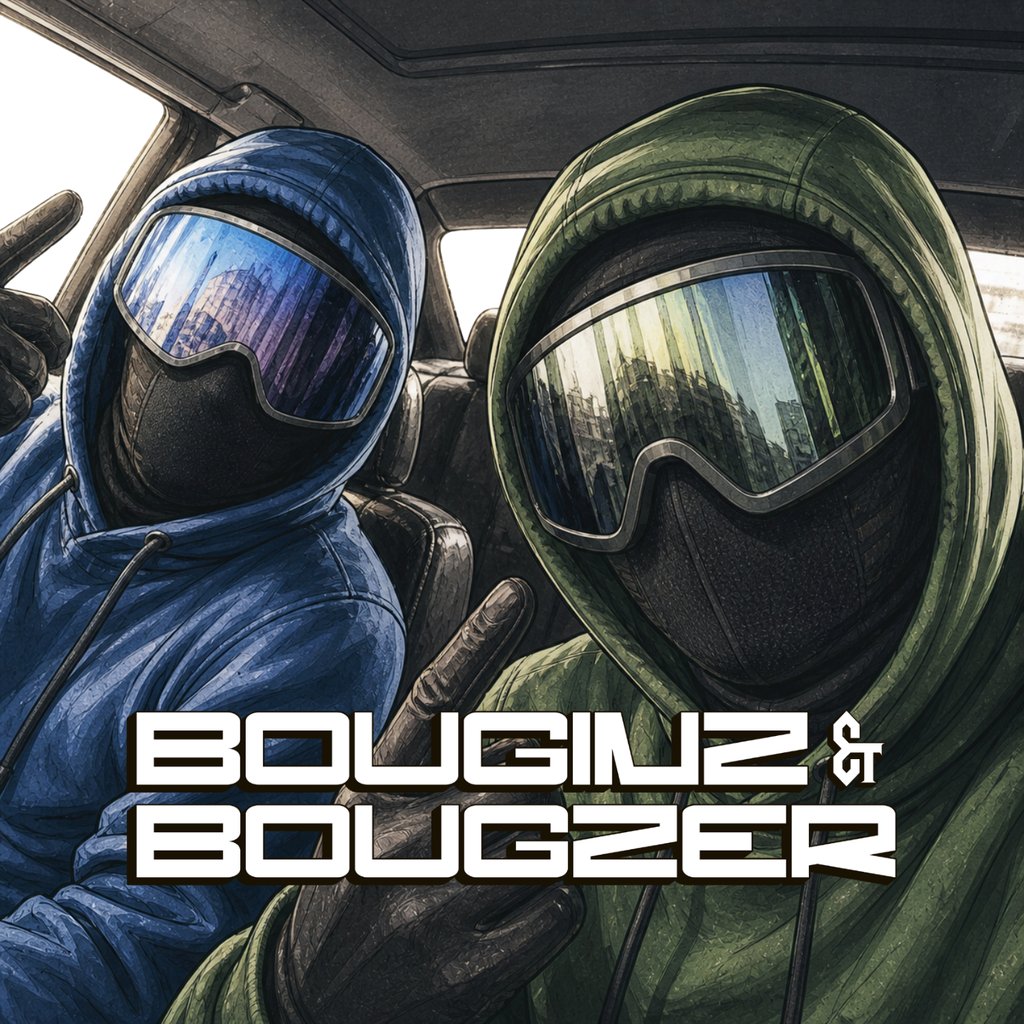
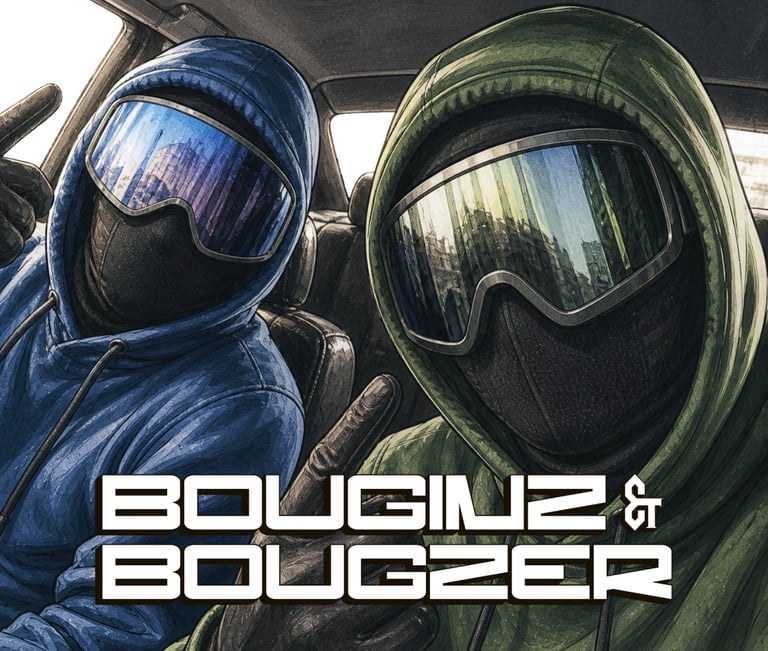
Alongside his work on other musical projects, notably as DJ VAVRE, beatmaker and producer for the anonymous duo Bouginz & Bougzer, Péo was also creating original instrumentals. He then had the idea of taking some of RDF’s voices and archives and rebuilding new versions around entirely original productions.
The term “Dévavré” comes from the creative universe developed by Péo around the word “vavré.” In this context, a “vavré” project can be understood as a project that has been compromised, blocked, damaged, or prevented from reaching completion. The original Anthology was, in a way, “vavrée” by the limitations linked to the instrumentals used at the time. By recreating new original instrumentals, Péo allowed the project to be “dévavré”: unblocked, rebuilt, and restored to a form that could circulate again.
L’Anthologie Dévavré is therefore not meant to erase the original versions. It is not about replacing the past, but about giving it a new life. The archived vocals are placed into a more current musical framework, with new instrumentals, a new sonic coherence, and the possibility of an official release on digital platforms.
As a result, the Original Album and the rest of the Anthology now also exist in a remixed version. The first eight tracks, which at the time were built on instrumentals created with Hip Hop eJay, have been reconstructed with new productions. The other elements of the Anthology — features, freestyles, and bonuses — have also been reworked around original instrumentals, so they can exist today in a form that can be distributed.
Like the original Anthology, L’Anthologie Dévavré also includes several bonus tracks. Some are available in the digital version, while three out of five bonuses are reserved exclusively for the physical edition. This choice adds a special value to the CD as an object, at a time when music is mostly consumed digitally.
This project creates a bridge between two eras: the raw energy of the 2000s and the production tools available in 2026. It preserves the original energy while allowing RDF to officially exist in today’s musical landscape.
More than twenty years after its first recordings, RDF can now be present on music platforms with reworked tracks, original instrumentals, and a fully assumed approach to reconstruction.
Fonds de tiroir (bottom of the drawer)
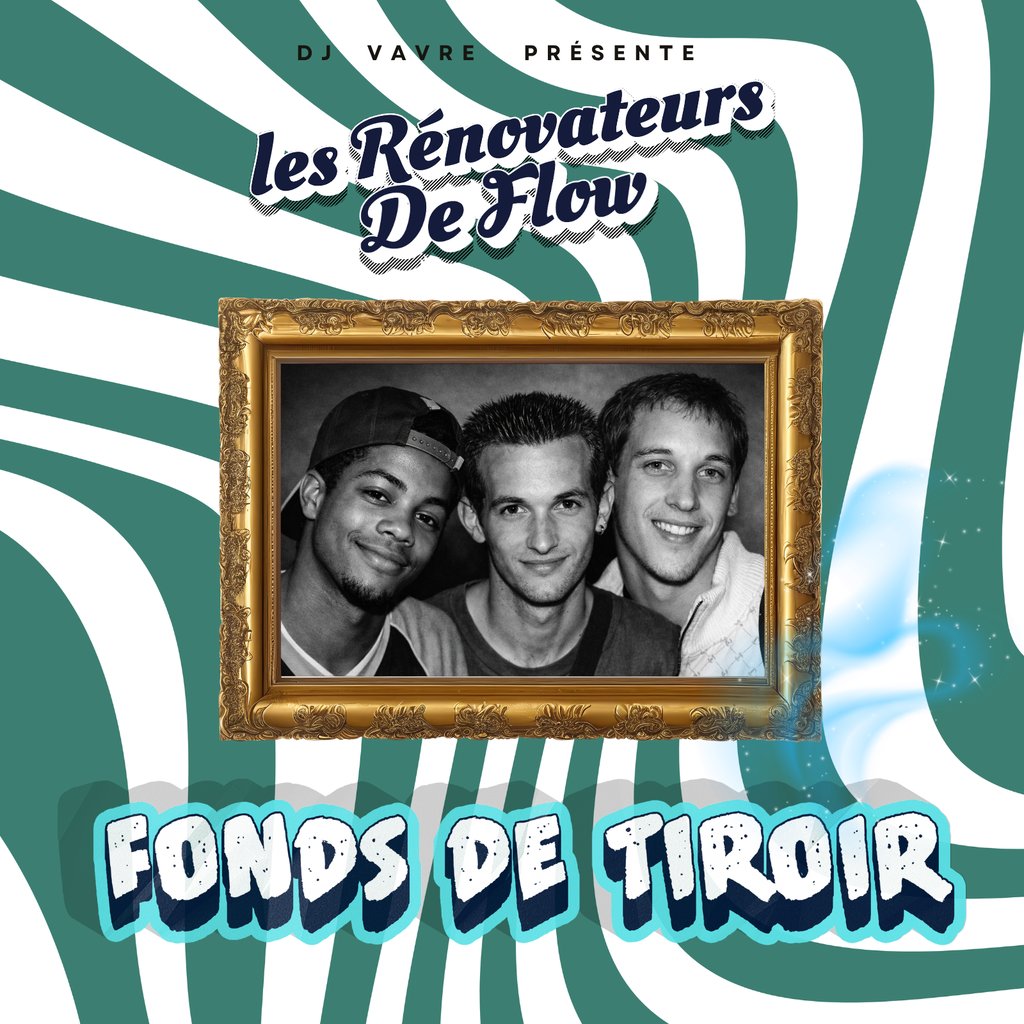
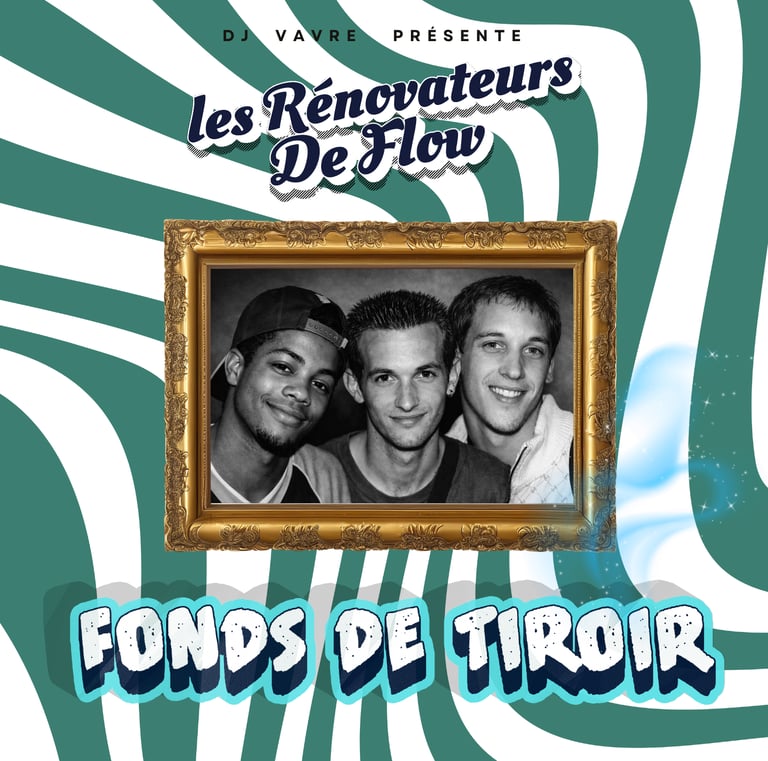
After L’Anthologie and L’Anthologie Dévavré, one final RDF project could see the light of day in 2027: Fonds de tiroir.
The goal of this project would be to draw from the last preserved freestyle archives, mainly from old sessions recorded on audio cassette. Not everything is usable, but some passages still deserve to be saved.
Unlike the previous projects, Fonds de tiroir would be conceived more as a final archival work than as a true album. It could bring together rougher, more spontaneous excerpts, sometimes less polished, but representative of the collective’s energy at the time.
Since a significant part of these archives is based on B-sides or existing instrumentals, a physical version could preserve the original spirit, while a reworked version with new instrumentals could eventually allow for a digital release.
Fonds de tiroir would therefore probably be the final chapter of RDF: a way to properly close the story of the collective, more than twenty years after its first recordings.
RDF Today
Today, each member of RDF has followed their own path. The collective no longer exists as an active group, and this page is not meant to announce a comeback, a reunion, or a relaunch of the group, because that cannot happen.
RDF now mainly continues to exist through its archives, its tracks, its memories, and the reconstruction work led by Péo.
Péotéka, also known as Péo, is one of the founding members of Les Rénovateurs De Flow. Very involved in the collective at the time, he had preserved a large part of the sound archives: the unique original CD, the audio cassettes, a few MiniDiscs, and several traces from that period.
More than twenty years later, this preservation work made it possible to recover, clean up, reconstruct, and release part of these recordings. What was initially meant to be a simple recovery of archives gradually became a true work of memory, with physical copies, remastered versions, and then remixed versions built around new instrumentals.
Péo can also be found under the name DJ VAVRE, as well as connected to the Bouginz & Bougzer universe as a beatmaker.
RDF’s presence on music platforms in 2026 therefore represents a very special achievement. It is not just a musical release: it is the preservation of a piece of personal and collective history. A way of making available what could have remained forgotten on an old scratched CD or on cassette tapes stored away in shoeboxes.
RDF was never a professional group, nor an organized machine. It was a raw, young, imperfect, but living collective. And that is precisely what gives these archives their value today.
Official Contact
This page is managed by Péotéka / Péo, founding member of Les Rénovateurs De Flow and currently responsible for the project’s archives, remixes, visuals, releases, and digital distribution.
Contact / management : laurent.coquelet77@gmail.com / contact@peotekk.com
